
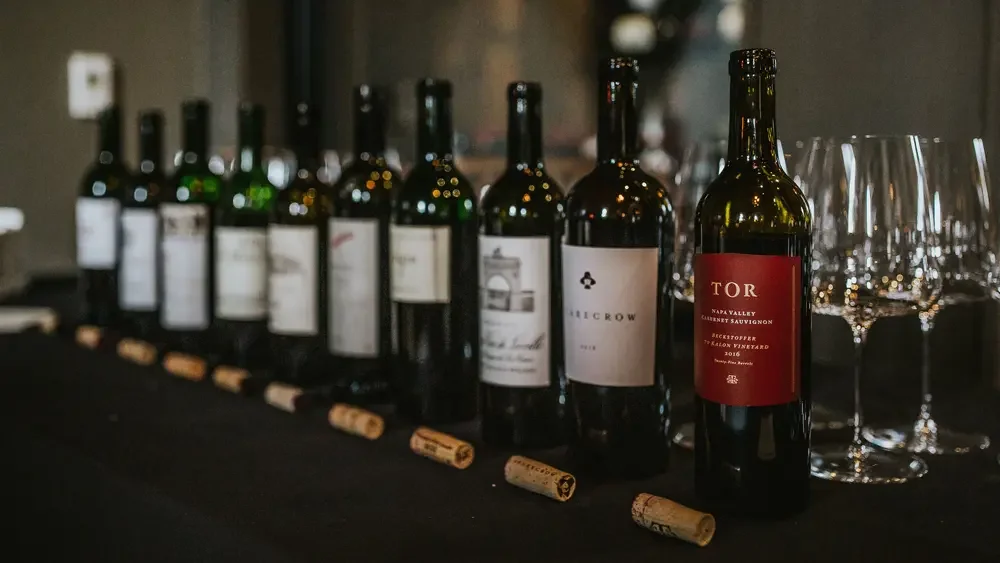
Wine critics hand out 90-plus scores as though they were raffle tickets. Our fine wine expert thinks the whole exercise has become faintly absurd.
In restaurants, at least, ratings still retain some dignity. A merely good restaurant is not a three-star restaurant, and nobody pretends otherwise. A truly great meal is rare. That is why it matters when you find one.
In fine wine, by contrast, almost everything seems to live somewhere between 90 and 100 points. Below 90, don’t bother pulling the cork. It is a 100-point scale in theory and, in practice, a race conducted in the last 10 yards. It looks scientific. It is mostly theatre.
Robert Parker, of course, made this points system mainstream. He is retired, but the system he popularised still stalks the market through The Wine Advocate and everyone who copied it. My objection is not that Parker lacked conviction. Quite the reverse. My objection is that the method itself is flawed. It simplifies the wine and encourages the illusion that one palate can pronounce numerical truth on everything. That is a disservice to the people who made it.
Not all critics play the same game in the same way. Jancis Robinson uses a 20-point scale and has written candidly about its limitations, describing herself as “limping along” with points and half-points and keeping most wines within a narrow band. I have always taken that as a sign that she understands, at some level, the problems in the full Parkerised circus. Twenty points is still a score, of course. But it leaves far less room to spray around 98s and 99s, and she is notably stingier with her marks than most 100-point critics. That makes the whole thing feel slightly more respectable.
Then there is James Suckling, who has built a whole empire around handing out enormous numbers, tending to be noticeably more generous than many of his peers. As a result, estates quote him because his scores help elevate their wines. Merchants quote him because his scores help move cases. He gets quoted more, gets seen more, and is at the centre of the scoring circus. It is all very clever. But whenever I see a Suckling score, I ignore it.
Even critics I know and respect are not exempt. I subscribe to Allen Meadows’s Burghound, one of the doyens of Burgundy criticism. But it is hard not to miss that the score bands often move neatly with vineyard hierarchy: village-level here, premier cru there, grand cru above that. One begins to suspect the appellation has already done some of the marking before the glass reaches the nose. That may be useful shorthand. It is not quite the same thing as independent judgement.
The deeper problem, though, is not simply inflated numbers. It is the act of scoring itself.
Critics do not drink these wines in the way most serious people actually drink them. They are not opening one bottle with lunch, then revisiting it over roast lamb, cheese and an argument. They are tasting flights, often quickly, often in the morning and often without food. Fine wine is meant to be drunk at table: with food, over time and preferably with people whose company you can tolerate. Scoring it without food is rather like reviewing a restaurant on the strength of its bread rolls.
Then come barrel samples. For the new vintage, critics are often scoring unfinished wines before bottling, before final élevage is complete, and sometimes before the final blend has been made. Estates are not stupid: they prepare tasting samples from the barrel that is behaving itself that week, not the one still sulking in the corner. Treating that as a finished wine fit for a definitive score is like giving a film five stars after watching the trailer.
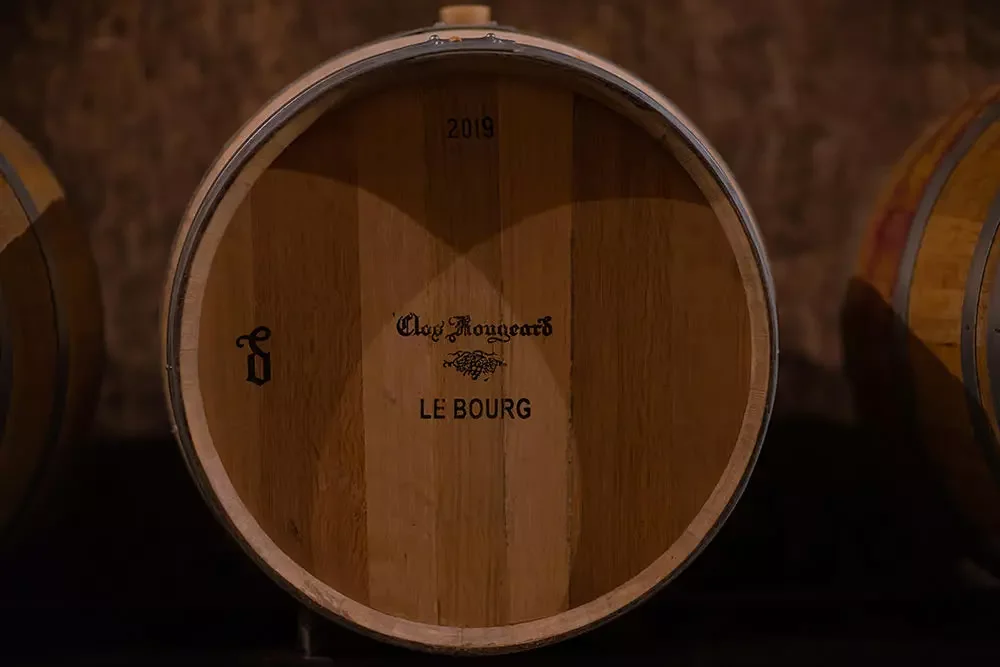
Bottle variation, storage, cork condition, travel shock and the awkward fact that great wines change as they age all complicate things further. Sometimes dramatically. Sometimes beautifully. Sometimes for the worse. A single score implies a fixed truth. Fine wine is not fixed. That is part of its charm.
For the mid-market, I can see the argument. If someone wants help choosing a bottle for dinner on a Tuesday night, a score may be a useful shortcut. Not everyone has the time or appetite to learn the market. But that is not really where the big-name critics make their reputations. They are focused on fine wine, and in fine wine I think the old scoring culture is looking increasingly bankrupt.
Partly that is because information no longer flows in one direction. Producers speak directly to their followers. Collectors compare notes constantly. Sommeliers and merchants have their own voices. There are more ways than ever to form a view. The old image of the critic as a kind of papal authority, issuing numbers from on high, looks less convincing than it once might.
Even niche specialists are not entirely free of the pressures of the trade. A properly unflattering score can make life awkward. Jasper Morris has built a deeply respected Burgundy business. Neal Martin at Vinous has a very good palate and an extraordinary volume of tasting experience. I have known Neal for years and often see him in Burgundy. A lot of serious collectors respect him, and with good reason. Would I buy a wine because of his score? No. Would I listen carefully to what he says about it over dinner? Absolutely.
The truth is that serious collectors do not really outsource judgement. Or at least they should not. They taste. They travel. They go to estates. They do barrel tastings. They speak to other collectors, sommeliers, merchants and winemakers. They build their own palate and memory. There are no shortcuts.
Full disclosure: I founded The Golden Vines Awards, so I am hardly a disinterested monk on a hillside. I am biased. I prefer an estate-level approach. The Golden Vines Awards are based on the votes of hundreds of stakeholders across the industry, including experienced collectors, and look at estates rather than individual cuvées in isolated vintages. It is more like judging a great restaurant over a decade than judging it on one dish at one lunch. In my opinion, the best estates are more likely, year after year, to produce the best wines. The trick is working out which estates those are.
Lewis Chester DipWSET is a London-based wine & rare spirit collector and writer, member of the Académie du Champagne and Chevaliers du Tastevin, co-founder of Liquid Icons and the founder of the Golden Vines® Awards. He is also Honorary President and Head of Fundraising at the Gérard Basset Foundation, which funds diversity & inclusivity education programmes globally in the wine, spirits & hospitality sectors. The Golden Vines® 2026 will take place in London, UK between 6-8 November 2026, recognising the world’s best fine wine estates as voted by hundreds of fine wine professionals. Please register your interest for tickets on the website: hiquidicons.com/work/golden-vines-awards.